

The island's dining regions
Crete splits into four regional units, and each has a different feel at the table.
- Chania (west) — Venetian harbour dining, mountain villages in Sfakia and Apokoronas, and the island's strongest cheese and greens tradition.
- Rethymno (centre-west) — a compact old town packed with tavernas, plus the long beach strip east through Platanes and Adelianos Kampos.
- Heraklion (centre) — the island's working capital, best for market food, raki bars and modern Cretan cooking, and the gateway to the Peza and Archanes wine villages.
- Lasithi (east) — Agios Nikolaos, Elounda and Ierapetra; the quietest and most seafood-focused corner, and where Crete's luxury dining is concentrated.
Cretan dishes worth ordering
Cretan cooking is vegetable-heavy, olive-oil-heavy and seasonal. Most tavernas will bring bread, oil and a jug of water without being asked, and finish with raki and fruit or a small dessert on the house.
- Dakos — barley rusk soaked in tomato, topped with mizithra cheese and oregano
- Chochlioi boubouristi — snails fried in olive oil with rosemary and vinegar
- Gamopilafo — 'wedding rice' cooked in goat or lamb stock and finished with staka butter
- Apaki — pork cured in vinegar and smoked over aromatic herbs
- Kalitsounia — small cheese or wild-greens pies, sweet ones drizzled with thyme honey
- Antikristo — lamb slow-roasted upright around an open fire, a mountain shepherd's dish
- Stamnagathi — spiny chicory, usually boiled and dressed with lemon and olive oil
- Sfakianopita — thin Sfakia pie of soft cheese, pan-fried and served with honey
How to pick a good taverna
- A short, seasonal menu usually beats a long laminated one with photographs.
- Look at who is eating there at 21:00 — Greek families arriving late is a reliable signal.
- In fish tavernas, ask to see the fish and confirm the price per kilo before ordering.
- Away from the first row of seafront tables you generally pay less for the same kitchen.
- Mountain villages are worth the drive for lamb, snails and pies; coastal towns for fish.
Seasons and opening times
The main season runs from Easter to late October. In resort areas a large share of restaurants close entirely from November to March, while Chania, Rethymno, Heraklion and Agios Nikolaos keep a year-round scene serving locals.
Cretans eat late. Lunch is generally 13:30–15:30 and dinner 20:30–23:00; arriving at 19:00 in high summer usually means an empty room. Booking matters most in July and August, at weekends, and for sunset or waterfront tables anywhere.
What a meal typically costs
Prices below are typical ranges for two-thousand-twenty-six-season Crete and vary with location and season — seafront and resort tables sit at the top of each band.
| Type of meal | Typical cost |
|---|---|
| Village taverna, two courses to shareCooked-in-the-pot dishes, salads, bread and house wine. Cheapest away from the seafront. | €12–20 per person |
| Mezedopoleio / raki barSeveral small plates shared between friends; raki and something to nibble often arrive free at the end. | €10–18 per person |
| Seafront fish tavernaFresh fish is normally sold by the kilo, so ask for the weight and price before it goes on the grill. | €25–45 per person |
| Modern Cretan / chef-led kitchenTasting menus in Elounda and the bigger towns sit at the top of this band. | €40–70 per person |
| Souvlaki, bougatsa, bakery lunchThe standard cheap, good and fast meal all over the island. | €3–8 |
Indicative ranges for the 2026 season. Fresh fish is sold by the kilo, so always confirm weight and price before ordering.
Wine, raki and local drinks
Crete grows its own grapes, and the indigenous varieties are worth trying: Vidiano and Vilana for whites, Liatiko and Kotsifali for reds. House wine is normally sold by the carafe (250ml, 500ml, 1 litre) and is often local and inexpensive.
Raki (also called tsikoudia) is the island's grape spirit. It is not the same as Turkish raki and contains no anise. It is usually offered free at the end of a meal, and refusing it is fine.
Book a table in Crete — free
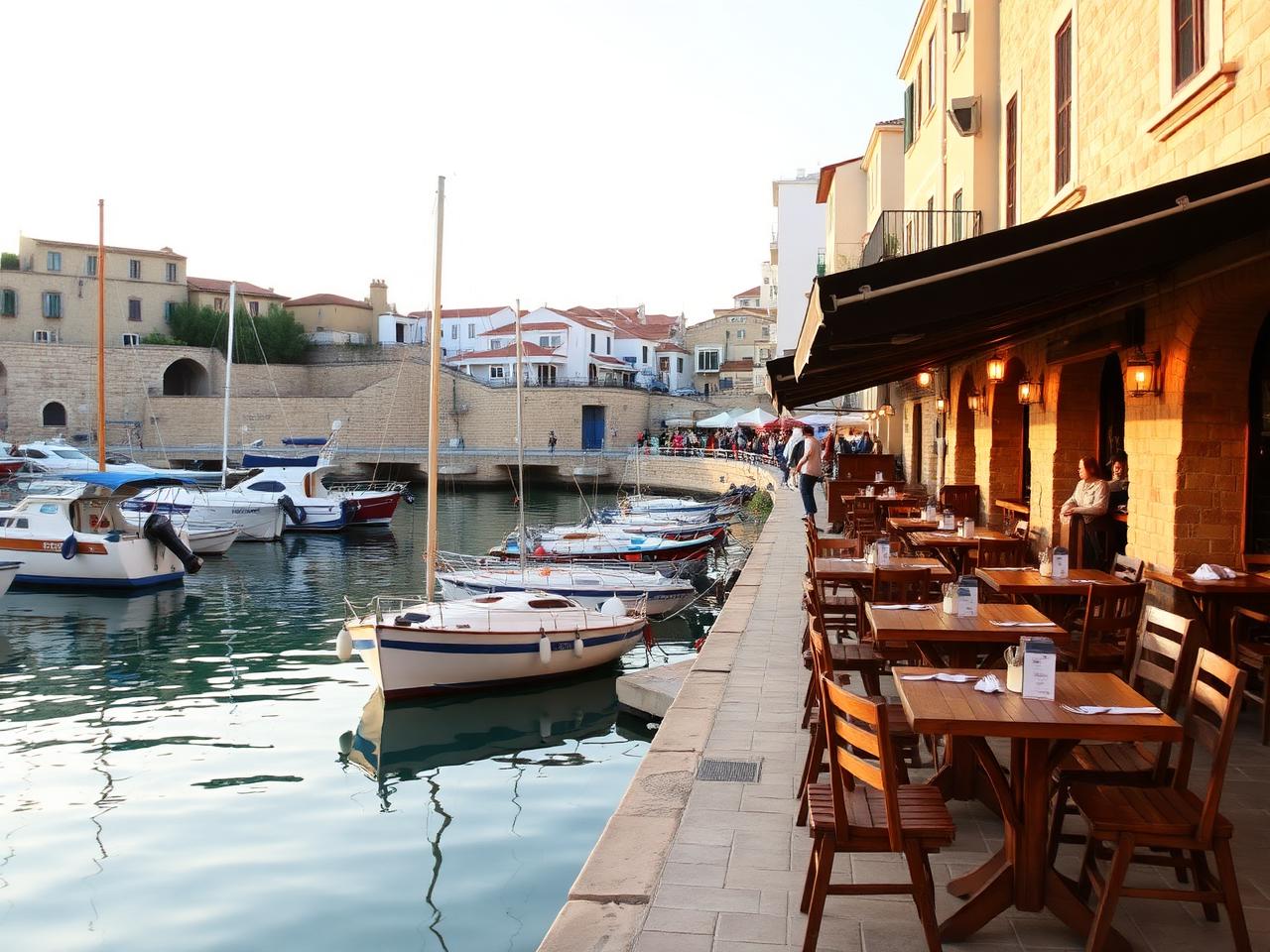
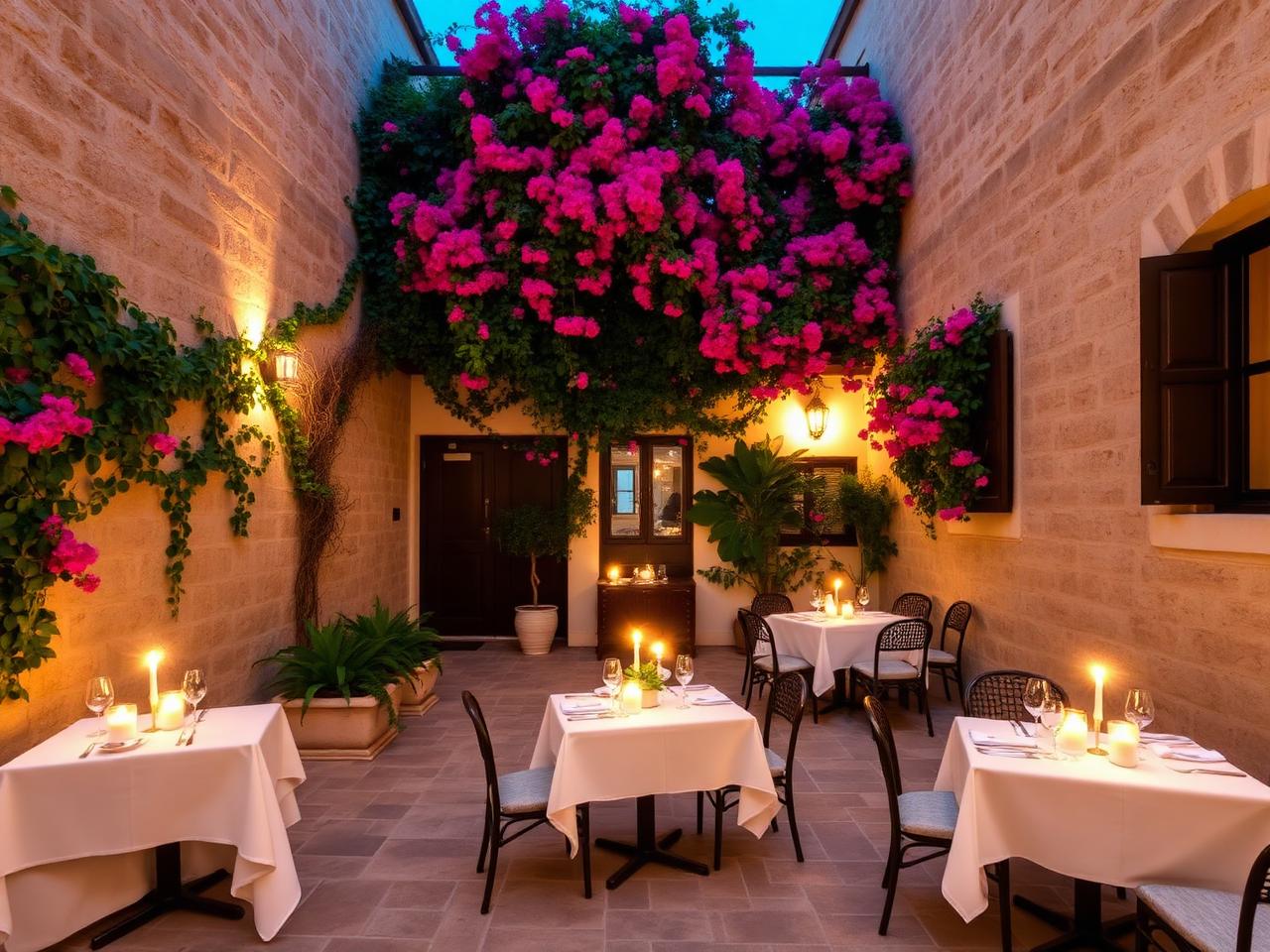
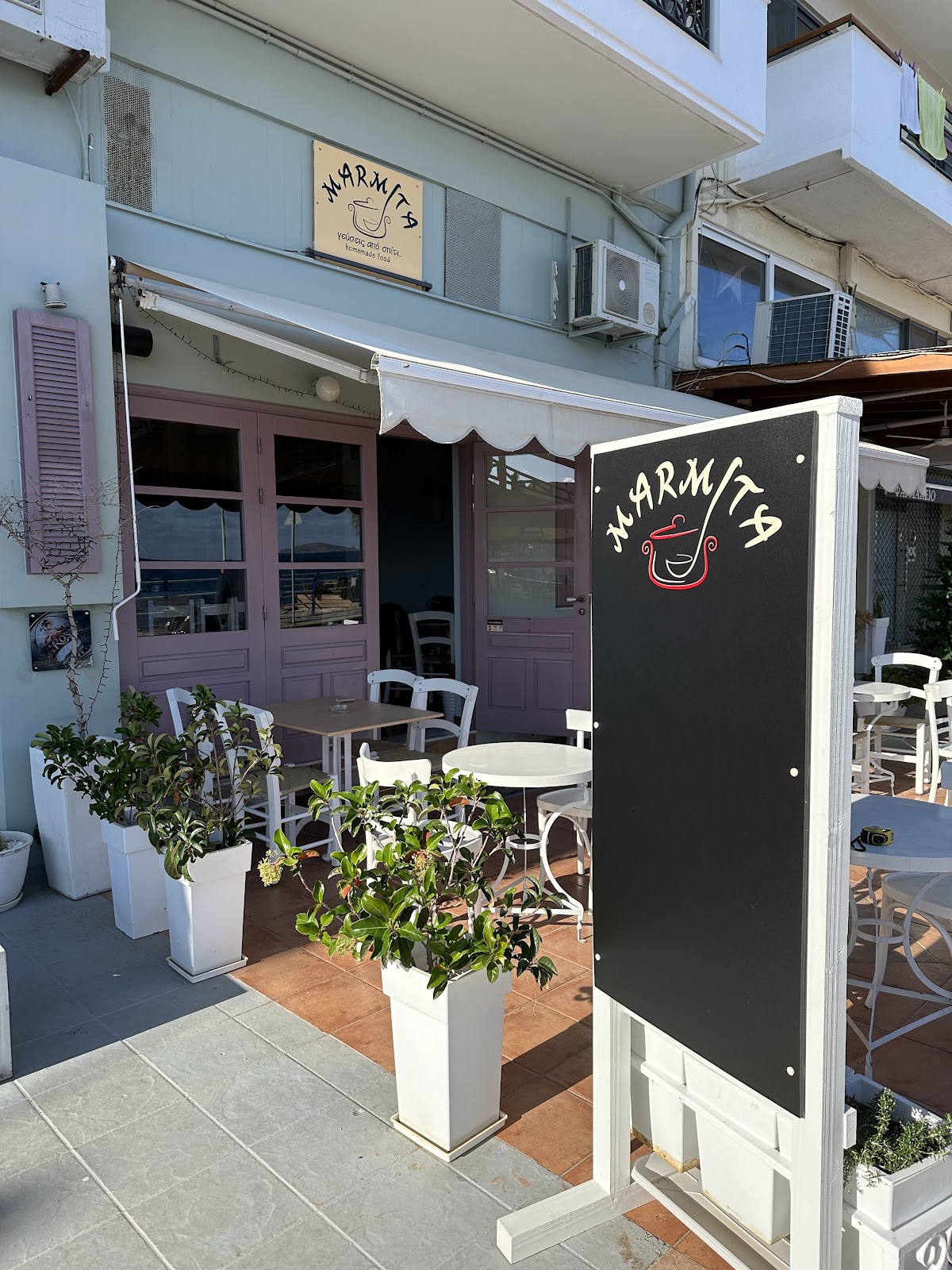
Restaurants on Woltaro that take online bookings. No booking fee.
Frequently asked questions
- What food is Crete famous for?
- Crete is known for dakos, wild-greens and cheese pies (kalitsounia), snails, slow-cooked lamb and goat, sheep's-milk cheeses like graviera and mizithra, exceptional olive oil, and raki. The diet is largely vegetable- and pulse-based with meat used in smaller quantities than most visitors expect.
- Do I need to book a restaurant in Crete?
- In July and August, and at weekends year-round in Chania, Rethymno and Heraklion, booking is sensible — especially for tables with a sea view, groups of four or more, and popular sunset slots. Outside high season you can usually walk in.
- What time do people eat dinner in Crete?
- Dinner typically starts around 20:30 and runs to 23:00 or later. Many kitchens take last orders around 23:00 in summer and earlier out of season.
- Is Crete expensive for eating out?
- It is one of the better-value parts of the Mediterranean. A taverna meal with house wine commonly lands at €12–20 per person, while fresh fish and chef-led restaurants cost considerably more.
- Is it easy to eat vegetarian or vegan in Crete?
- Yes. Traditional Cretan cooking includes a large number of naturally vegan dishes — boiled greens, beans, stuffed vegetables, briam, fava and salads — partly because of Orthodox fasting periods.
Continue reading
- Best restaurants in CreteHow to find the best restaurants in Crete — what separates a great taverna from a tourist trap, which towns suit which meal, prices and booking advice.
- Where to eat in CreteWhere to eat in Crete, town by town — Chania, Rethymno, Heraklion, Agios Nikolaos, Elounda and the resorts, plus mountain villages and prices.
- Cretan restaurantsWhat a traditional Cretan restaurant serves — dakos, kalitsounia, antikristo, raki and the Cretan diet — plus how tavernas, mezedopoleia and rakadika differ.
- Seafood in CreteHow to eat seafood in Crete — fresh versus frozen, pricing by the kilo, which fish are in season, best-value orders and where the fishing harbours are.
- Romantic dining in CretePlanning a romantic dinner in Crete — the best settings, sunset timing by month, which towns suit couples, what to book and how far ahead.
- Sea-view restaurants in CreteWhere to find sea-view restaurants in Crete — north, west and south coasts, sunset direction, what a view costs and how to secure a front-row table.
- Family dining in CreteEating out with children in Crete — which resorts and towns suit families, meal times, what children eat, prices and how to keep dinner easy.
- Cheap eats in CreteHow to eat well cheaply in Crete — souvlaki, bakeries, market lunches, village tavernas and the ordering habits that cut a restaurant bill.
Looking for your next place to eat?
Woltaro is a platform for discovering restaurants, events and experiences in Crete. Restaurants are added as they join, so this guide stays about the destination rather than a paid listing.