

Types of Cretan restaurant
- Taverna — full meals: oven dishes, grills, salads, house wine. The default choice for dinner.
- Mezedopoleio / rakadiko — many small plates shared over raki; the most sociable way to eat.
- Psarotaverna — fish taverna, usually on the water, with fish sold by the kilo.
- Psistaria — grill house, specialising in meat, chops and souvlaki.
- Kafeneio — the village café, serving coffee, raki and a handful of simple plates.
- Modern Cretan restaurants — chef-led kitchens reworking island ingredients, mainly in Heraklion, Chania and Elounda.
What to order
- Dakos — barley rusk, grated tomato, mizithra, oregano, olive oil.
- Kalitsounia — small pies filled with cheese or wild greens; sweet versions with honey.
- Chochlioi boubouristi — snails fried face-down in oil, finished with vinegar and rosemary.
- Apaki — vinegar-cured, herb-smoked pork.
- Antikristo or kleftiko — lamb cooked slowly by fire or in the oven.
- Stamnagathi — spiny chicory with lemon and oil, one of the island's signature greens.
- Gamopilafo — rich stock-cooked rice served at weddings and celebrations.
- Sfakianopita — thin Sfakia cheese pie with thyme honey.
The Cretan diet
The traditional Cretan diet became famous through mid-twentieth-century nutrition research: heavy on olive oil, vegetables, greens, pulses and whole grains, with fish and cheese in moderation and red meat mainly on Sundays and feast days. Most tavernas still cook that way, which is why vegetarian and vegan visitors eat unusually well here.
Customs at the table
- Dishes arrive when they are ready, not in courses. Sharing is normal.
- Bread and water usually appear automatically; bread may carry a small cover charge.
- Raki and a dessert at the end are almost always on the house.
- Tipping is appreciated but modest — rounding up or 5–10% is normal.
- Meals are long. Nobody will rush you, and nobody will bring the bill until you ask.
Book a table in Crete — free
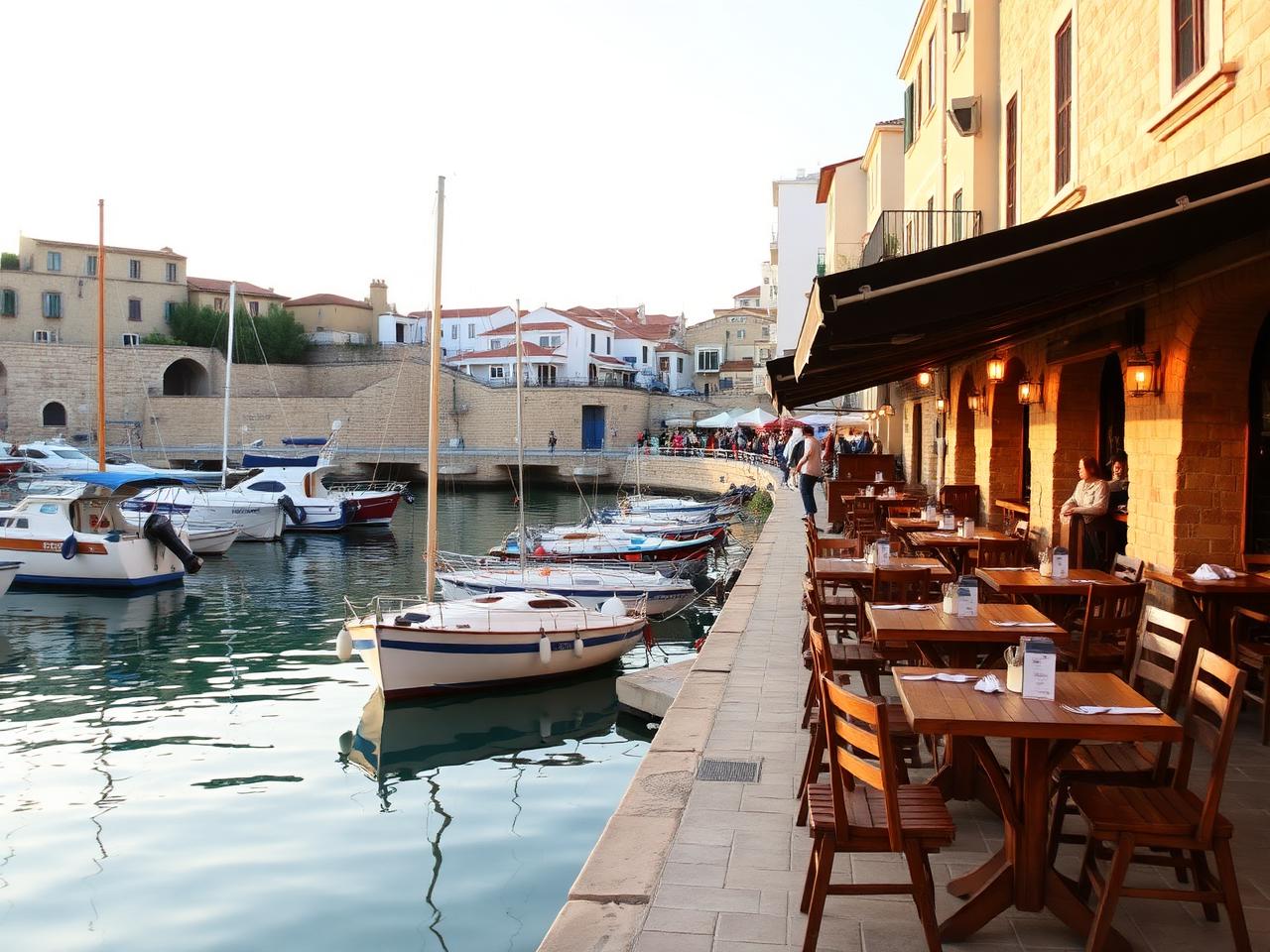
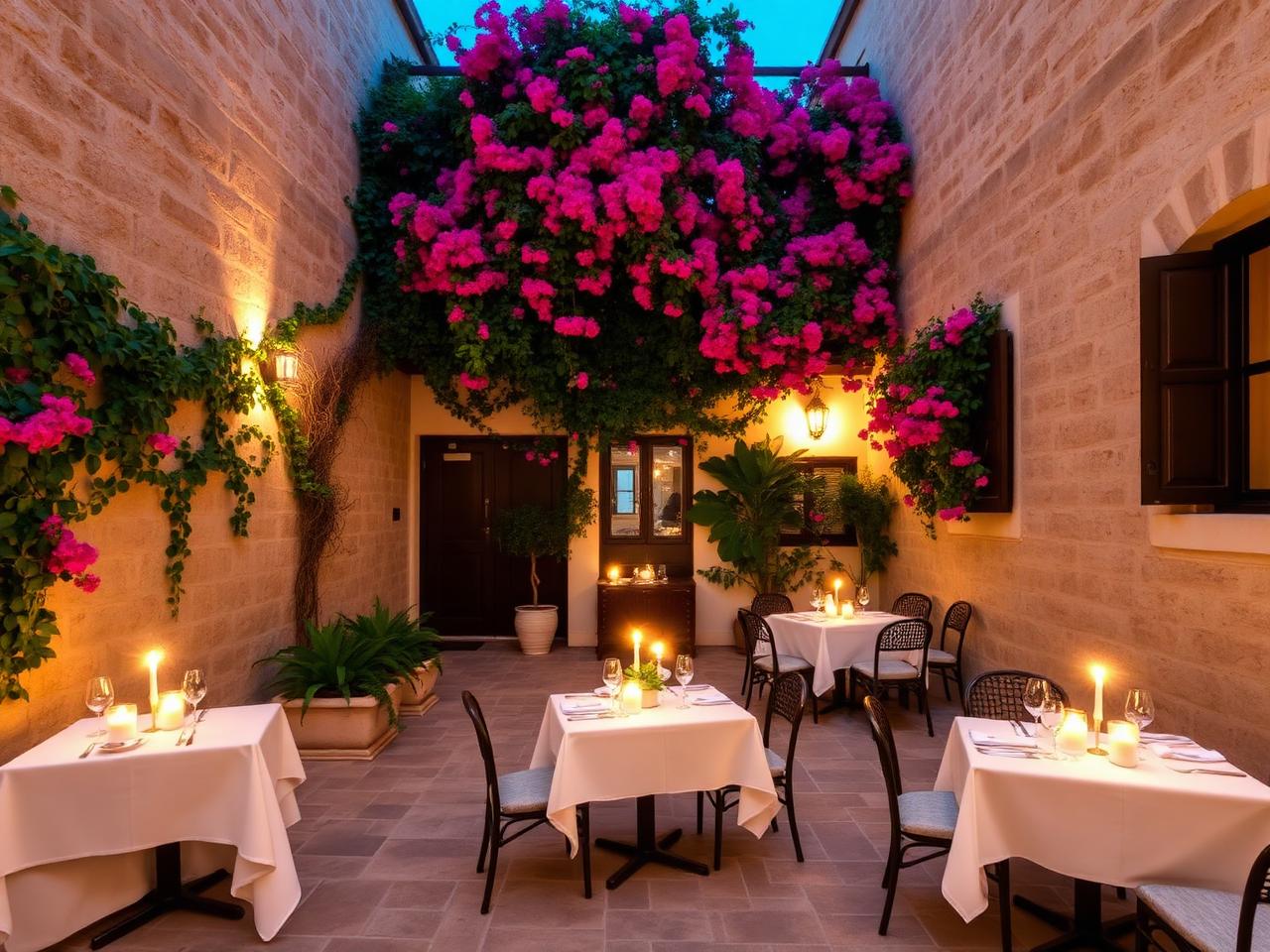
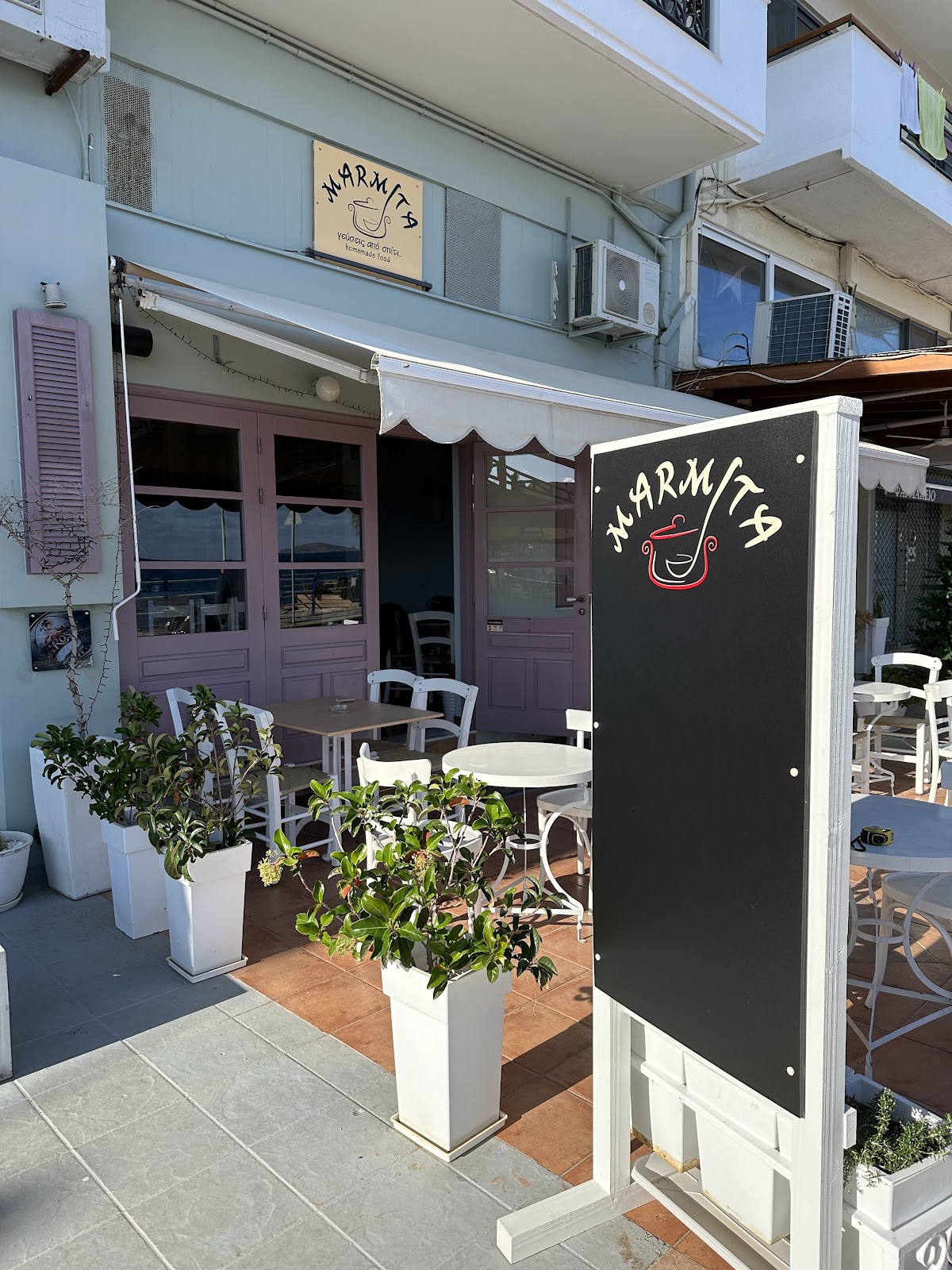
Restaurants on Woltaro that take online bookings. No booking fee.
Frequently asked questions
- What is Cretan food?
- A regional Greek cuisine built on olive oil, wild greens, pulses, barley rusk, sheep's and goat's milk cheeses, herbs, slow-cooked lamb and goat, and raki. It is lighter on meat and heavier on vegetables than most Greek mainland cooking.
- What is the difference between a taverna and a mezedopoleio?
- A taverna serves full plated meals; a mezedopoleio (or rakadiko) serves many small plates designed to be shared over raki across a long evening.
- What is raki and is it the same as ouzo?
- Raki, also called tsikoudia in Crete, is a clear grape spirit distilled from pressed grapes. Unlike ouzo it contains no anise, so it is not sweet or aniseed-flavoured.
- Is Cretan food good for vegetarians?
- Yes. Boiled greens, beans, fava, stuffed vegetables, briam, salads and cheese pies are standard menu items, and Orthodox fasting traditions mean many dishes are naturally vegan.
Continue reading
- Dining in CreteA practical guide to eating in Crete — the island's regions, Cretan dishes worth ordering, typical prices, seasons and how to pick a good taverna.
- Best restaurants in CreteHow to find the best restaurants in Crete — what separates a great taverna from a tourist trap, which towns suit which meal, prices and booking advice.
- Where to eat in CreteWhere to eat in Crete, town by town — Chania, Rethymno, Heraklion, Agios Nikolaos, Elounda and the resorts, plus mountain villages and prices.
- Seafood in CreteHow to eat seafood in Crete — fresh versus frozen, pricing by the kilo, which fish are in season, best-value orders and where the fishing harbours are.
- Romantic dining in CretePlanning a romantic dinner in Crete — the best settings, sunset timing by month, which towns suit couples, what to book and how far ahead.
- Sea-view restaurants in CreteWhere to find sea-view restaurants in Crete — north, west and south coasts, sunset direction, what a view costs and how to secure a front-row table.
- Family dining in CreteEating out with children in Crete — which resorts and towns suit families, meal times, what children eat, prices and how to keep dinner easy.
- Cheap eats in CreteHow to eat well cheaply in Crete — souvlaki, bakeries, market lunches, village tavernas and the ordering habits that cut a restaurant bill.
Looking for your next place to eat?
Woltaro is a platform for discovering restaurants, events and experiences in Crete. Restaurants are added as they join, so this guide stays about the destination rather than a paid listing.