

The four areas and what they are for
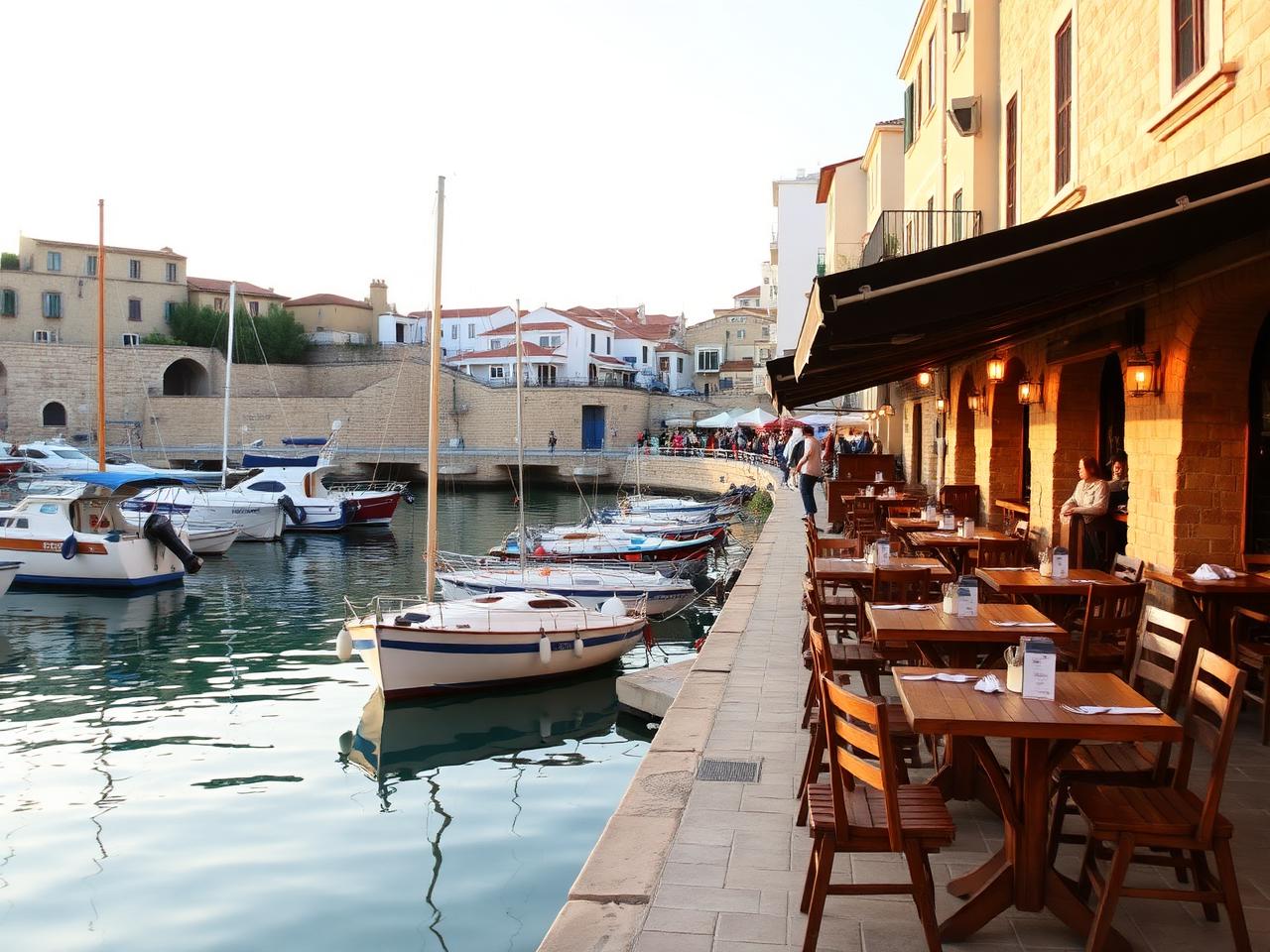
- Venetian harbour — the view. Best used for a drink, a coffee or one special dinner.
- Splantzia — the old Ottoman quarter, and where most residents point visitors for dinner.
- Nea Chora — the town beach, ten minutes west, for fish with your feet nearly in the sand.
- Around the covered market — cheap, fast, good at lunchtime.
How to judge a Chania restaurant in a minute
- Short menu, daily specials, Cretan product names on it.
- No one standing outside inviting you in.
- A full room of Greek speakers after 21:30.
- Wine list with Cretan varieties — Vidiano, Vilana, Romeiko, Liatiko.
- Fish shown to you on ice and priced by the kilo.
What western Crete does best
Chania's hinterland is cheese and lamb country, so the strongest dishes here are boiled wild greens, kalitsounia, slow-cooked goat, Sfakia pie with honey, and graviera from the White Mountains. Add the harbour's seafood and the town's excellent wine bars and you have the shape of a good week's eating.
Booking in Chania
From late June to early September the good small kitchens in Splantzia and any harbour-front or rooftop table need reserving, often several days ahead for sunset. In May, October and shoulder weeks, a day's notice is enough almost everywhere.
Book a table in Chania — free
Restaurants on Woltaro that take online bookings. No booking fee.

Frequently asked questions
- Where should I eat in Chania old town?
- Most locals suggest the Splantzia quarter and the lanes behind the harbour for dinner, Nea Chora for fish, and the market area for a cheap lunch — with the harbour front reserved for the view.
- Is the food expensive in Chania?
- Taverna dinners typically run €15–25 per person with wine, harbour-front tables more, and fresh fish is priced by the kilo and costs considerably more.
- Do I need to reserve a table in Chania?
- In July and August yes, especially for harbour, rooftop and sunset tables and for small popular kitchens. Off-season it is rarely necessary.
- What food is Chania known for?
- Cretan cheese and wild greens, kalitsounia pies, slow-cooked lamb and goat, Sfakia pie with thyme honey, and seafood from the harbour and Nea Chora.
Continue reading
- ChaniaA guide to dining in Chania — the Venetian harbour, Splantzia's backstreets, the covered market and mountain tavernas, with prices and booking advice.
- Seafood in CreteHow to eat seafood in Crete — fresh versus frozen, pricing by the kilo, which fish are in season, best-value orders and where the fishing harbours are.
- Cretan restaurantsWhat a traditional Cretan restaurant serves — dakos, kalitsounia, antikristo, raki and the Cretan diet — plus how tavernas, mezedopoleia and rakadika differ.
- Dining in CreteA practical guide to eating in Crete — the island's regions, Cretan dishes worth ordering, typical prices, seasons and how to pick a good taverna.
- Seafood tavernas in ChaniaWhere to eat fresh fish and seafood in Chania — harbour vs. local fish tavernas, what to order, how fish is priced by the kilo, and how to book for free.
- HeraklionEating in Heraklion — the market streets, raki bars, harbour fish tavernas and Archanes wine villages, with typical prices and when to book.
- Agios NikolaosDining in Agios Nikolaos — Lake Voulismeni, the harbour, Kitroplateia beach tables and nearby villages, with typical prices and booking tips.
- EloundaDining in Elounda — the fishing harbour, Plaka and Spinalonga views, luxury hotel restaurants and typical prices, plus when to book in high season.
Looking for your next place to eat?
Woltaro is a platform for discovering restaurants, events and experiences in Crete. Restaurants are added as they join, so this guide stays about the destination rather than a paid listing.