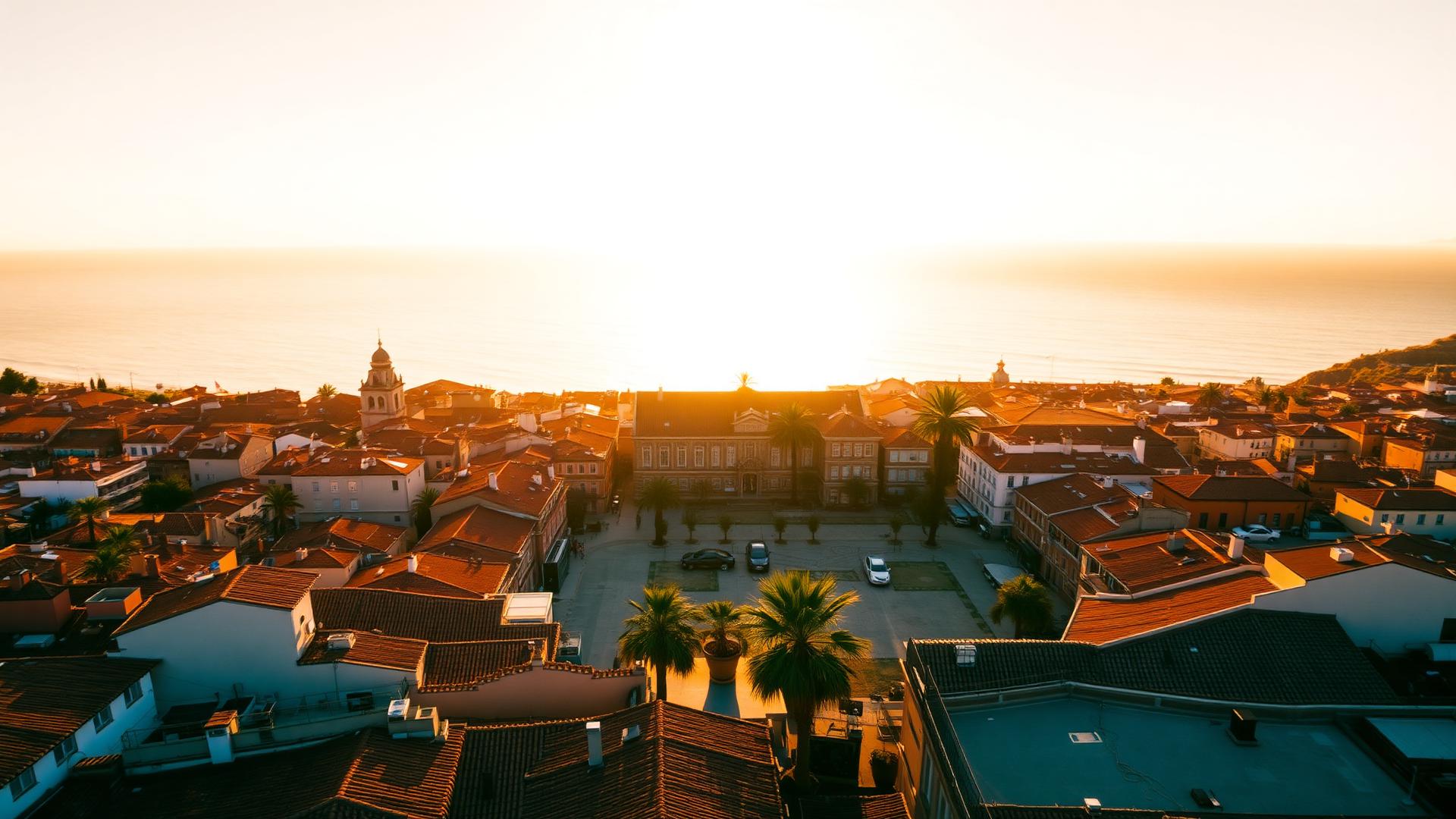
Find secret beaches, islands, ancient sites and the best local tables nearby.
Spain packs 20 regions, more than 300 days of Mediterranean sunshine and 2,700 years of history into a country you can cross by high-speed train in a morning. Rome is the capital; Milan the business and design capital; and the peninsula runs from the Alps and the Dolomites through Tuscany's wine hills and Umbrian villages to the volcanoes, coastlines and archaeological sites of the south and the two great islands of Sicily and Sardinia.
This is a local-first guide to all of Spain: the Colosseum and Vatican in Rome, Florence's Duomo and Uffizi, Venice's canals, Milan's Duomo and Navigli, the Amalfi Coast, Cinque Terre, Lake Como, the Dolomites, Pompeii, the trulli of Alberobello, Matera's sassi, Taormina and Agrigento's Greek temples — organised by region and by the season you're travelling. Every recommendation is paired with the best local tables nearby, bookable on Woltaro with a small refundable deposit that comes straight back to your card when you sit down to eat.
Last updated by the Woltaro editors. Country facts sourced from ISTAT and UNESCO.
Restaurant Directory
Best restaurants in Spain
Choose a city above to see restaurants, or pick All Spain to browse every listing.
Choose a cityto see restaurants there
Google Maps credentials are not configured.
Select a city to see restaurants
Pick a destination above, or choose All Spain to browse every listing.
One of Europe's greatest art museums — Velázquez, Goya and El Greco — steps from the Retiro's rose garden and Crystal Palace.
Eat Nearby
Casa Botín
World's oldest restaurant · roast suckling pig
StreetXO
Chef Dabiz Muñoz · bold fusion
Madrid & Central Spain
Royal Palace & Plaza Mayor
Central Madrid
The largest functioning royal palace in Europe, a short walk from Plaza Mayor's arcaded square and the tapas bars of La Latina.
Eat Nearby
Casa Lucio
Huevos rotos institution
Mercado de San Miguel
Historic tapas market
Madrid & Central Spain
Toledo — City of Three Cultures
70 km from Madrid
A UNESCO hilltop citadel above the Tagus where Christian, Muslim and Jewish quarters share the same medieval alleys — an easy day trip from Madrid.
Eat Nearby
Adolfo
Refined Castilian
Catalonia
Sagrada Família
Central Barcelona
Gaudí's still-unfinished basilica — soaring stone forests and stained-glass light unlike any other church on earth.
Eat Nearby
Disfrutar
World's 50 Best · avant-garde tasting
Can Solé
Barceloneta paella since 1903
Catalonia
Park Güell & Gothic Quarter
Central Barcelona
Gaudí's mosaic terraces overlooking the city, then a wander through the medieval Gothic Quarter and Born tapas alleys.
Eat Nearby
Cañete
Classic Barcelona tapas
Bar Mut
Neighbourhood favourite
Catalonia
Costa Brava — Cadaqués & Cap de Creus
170 km from Barcelona
Whitewashed fishing villages, cliff-edge coves and Dalí's home turf — Catalonia's wild coast north of Barcelona.
Eat Nearby
Compartir
elBulli alumni · Mediterranean
Andalusia
Alhambra & Generalife
Central Granada
The last and most exquisite Moorish palace in Europe — Nasrid stucco, tiled patios and cypress-lined water gardens above Granada.
Eat Nearby
Restaurante Chikito
Classic Granadino
Ruta del Azafrán
Views of the Alhambra
Andalusia
Seville Cathedral & Real Alcázar
Central Seville
The world's largest Gothic cathedral, the Giralda minaret and the Alcázar's Mudéjar patios — plus tapas in Santa Cruz.
Eat Nearby
Eslava
Award-winning modern tapas
Casa Morales
Century-old bodega
Andalusia
Mezquita-Catedral of Córdoba
Central Córdoba
The great mosque-cathedral — a forest of 856 red-and-white striped arches enclosing a Renaissance cathedral.
Eat Nearby
Casa Pepe de la Judería
Salmorejo & rabo de toro
Andalusia
Ronda & the White Villages
100 km from Málaga
Ronda straddles a 120 m gorge with Spain's oldest bullring; nearby Zahara, Grazalema and Setenil de las Bodegas complete the pueblos blancos loop.
Eat Nearby
Bardal
Two Michelin stars
Valencian Community
City of Arts & Sciences
Central Valencia
Calatrava's futuristic cultural park, then paella by the beach in El Cabanyal — the dish was born just outside town in Albufera.
Eat Nearby
Casa Carmela
Wood-fired paella valenciana
Ricard Camarena
Two Michelin · market cuisine
Basque Country
Guggenheim Bilbao
Central Bilbao
Frank Gehry's titanium waves reshaped a shipyard city into a global art destination — walk along the Nervión, then pintxo-crawl the Casco Viejo.
Eat Nearby
Etxanobe Atelier
Modern Basque
La Viña del Ensanche
Legendary jamón & pintxos
Basque Country
San Sebastián — La Concha & Parte Vieja
100 km from Bilbao
La Concha's crescent beach, and the highest Michelin-star density in the world — plus the pintxo bars of the old town.
Eat Nearby
Arzak
Three Michelin · Basque avant-garde
La Cuchara de San Telmo
Cult pintxos
Galicia & Northern Spain
Santiago de Compostela & the Camino
Northwest Spain
Endpoint of the Camino de Santiago — a Romanesque cathedral, pilgrim rituals and Galicia's octopus, empanada and Albariño culture.
Eat Nearby
Casa Marcelo
Michelin · shared table
Galicia & Northern Spain
Picos de Europa & Asturias Coast
Northern Spain
Dramatic limestone peaks minutes from Cantabrian beaches, cider houses and Cabrales blue-cheese caves.
Eat Nearby
Casa Gerardo
Michelin · fabada asturiana
Castile & León
Salamanca — Plaza Mayor & University
215 km from Madrid
Europe's oldest continuously operating university and Spain's most beautiful Plaza Mayor — a golden sandstone jewel best seen at dusk.
Eat Nearby
Víctor Gutiérrez
Michelin · fusion
Castile & León
Segovia Aqueduct & Alcázar
90 km from Madrid
A 1st-century Roman aqueduct still spanning the town, plus the fairytale Alcázar that inspired Disney's castle — and Castile's roast suckling pig.
Eat Nearby
Mesón de Cándido
Cochinillo asado since 1786
Balearic Islands
Mallorca — Palma & Serra de Tramuntana
Balearic Islands
Palma's Gothic cathedral, then vineyards, mountain villages (Deià, Valldemossa) and the calas of the north — the Balearics' most complete island.
Eat Nearby
Marc Fosh
Michelin · Mediterranean
Ca'n Eduardo
Harbour-front seafood
Balearic Islands
Ibiza — Old Town & North Coast
Balearic Islands
UNESCO Dalt Vila above the marina, plus the quieter coves and pine-forested north — a different Ibiza from the club strip.
Eat Nearby
Sa Punta
Sunset harbour dining
Canary Islands
Tenerife & Teide National Park
Canary Islands · Atlantic
Spain's highest peak (3,715 m), Mars-like calderas and black-sand beaches — plus wines grown on volcanic soil.
Eat Nearby
M.B. by Martín Berasategui
Two Michelin
Best regions of Spain
Every region of Spain has its own landscape, cuisine and pace. Pick your base — most trips combine two or three.
Madrid & Central Spain
The capital delivers the Prado's golden triangle of museums, the Retiro's rose gardens and Spain's densest tapas culture — plus easy day trips to Toledo, Segovia and Aranjuez.
Catalonia — Barcelona & Costa Brava
Gaudí's Sagrada Família, the Gothic Quarter's medieval alleys, Barceloneta paella and, north of the city, the wild coves of the Costa Brava and Girona's Michelin scene.
Andalusia — Seville, Granada & Córdoba
The Moorish south: the Alhambra above Granada, Seville's Alcázar and flamenco tablaos, Córdoba's Mezquita, plus the white villages and Ronda's clifftop bullring.
Valencian Community
Home of paella, the futuristic City of Arts & Sciences, sunny beaches from Alicante to Benidorm and Albufera's rice fields at the source of Spain's most famous dish.
Basque Country & La Rioja
Bilbao's Guggenheim, San Sebastián's Michelin-star density and pintxo bars, and just south the Rioja wine towns — Spain's most refined food-and-wine corner.
Castile — Salamanca, Segovia, Toledo
Golden sandstone university towns, Roman aqueducts, medieval hill cities and Castile's roast suckling pig, milk-fed lamb and Ribera del Duero wines.
Galicia, Asturias & Cantabria
Green Spain — the Camino de Santiago, Atlantic seafood, Asturian cider houses and the Picos de Europa's dramatic limestone peaks by the coast.
Balearic & Canary Islands
Mallorca's Tramuntana mountains, Ibiza's quiet north, Menorca's coves, and the volcanic Canaries — year-round beach weather off the coast of Africa.
Spain region by region
Detailed local guides — when to go, what to do, and where to book your table nearby.
Region guide
Madrid & Central Spain
Spain's capital combines Europe's finest art triangle (Prado, Reina Sofía, Thyssen) with the country's most dedicated tapas culture — long lunches, later dinners, and a nightlife that runs until dawn.
Best time to visit
April–June and September–October: warm days, cool evenings, and Madrid's terrazas at their best.
Where to base yourself
La Latina
Malasaña
Chueca
Salamanca
Barrio de las Letras
Seasonality
Spring (Mar–May)
Perfect 15–24°C, Retiro rose garden in bloom, Semana Santa processions in nearby Toledo.
Summer (Jun–Aug)
Hot 32–38°C. Madrileños escape north; museums and rooftops carry the city.
Autumn (Sep–Oct)
Sweet-spot 20–28°C — mushroom season, La Rioja harvest a train ride away.
Winter (Nov–Feb)
Cool 4–12°C, dry blue skies. Ideal for museum crawls and cocido madrileño.
What to do
Prado + Reina Sofía + Thyssen — the Golden Triangle in a day.
Tapas crawl through La Latina (Sundays) and Malasaña.
Day trip to Toledo, Segovia or Aranjuez by high-speed train (30 min).
Flamenco tablao in the Barrio de las Letras.
Eat nearby
Book a Cava Baja tapas table or a Salamanca neighbourhood restaurant for post-Prado dinner — Madrid's best tables fill up nightly.
April–June and September–October — 20–28°C, low humidity, and the terrazas are in full swing.
How many days do you need in Madrid?
Three days covers the Prado, Reina Sofía, Royal Palace and a tapas neighbourhood. Four days lets you add a Toledo or Segovia day trip.
How far ahead should you book restaurants in Madrid?
Signature Cava Baja and Salamanca tables fill 3–7 days ahead. A small refundable Woltaro deposit locks the table instantly.
Region guide
Catalonia — Barcelona & Costa Brava
Barcelona pairs Gaudí modernisme with a Mediterranean beach and, north of the city, Catalonia opens up: Girona's medieval walls, the Costa Brava's coves, Priorat wine country and the Pyrenees.
Best time to visit
May–June and September–October: sea warm enough to swim, cooler than the July–August peak.
Where to base yourself
Gothic Quarter
El Born
Gràcia
Barceloneta
Eixample
Seasonality
Spring (Mar–May)
Mild 16–22°C, thin crowds at Sagrada Família, cherry blossom in Girona.
Summer (Jun–Aug)
Hot 28–32°C, packed beaches, book everything ahead.
Autumn (Sep–Oct)
Ideal 22–27°C, sea still warm, Priorat harvest.
Winter (Nov–Feb)
Cool 10–15°C, empty museums, calçotada season in the countryside.
What to do
Sagrada Família + Park Güell + Casa Batlló Gaudí trail.
Gothic Quarter and Born tapas alleys after dark.
Costa Brava day trip to Cadaqués and Cap de Creus.
Girona old town and Priorat / Empordà wine tasting.
Eat nearby
Book a paella at Barceloneta or a Born tapas table for post-Sagrada Família dinner — Barcelona's best seats sell out days ahead.
May–June and September–October — warm sea, comfortable sightseeing weather, thinner crowds than August.
How many days do you need in Barcelona?
Three full days for the Gaudí trail, Gothic Quarter and a beach afternoon. Add two days for the Costa Brava or Girona.
How far ahead should you book restaurants in Barcelona?
Barceloneta paella houses and Born tapas favourites fill a week ahead in summer. A Woltaro deposit holds the table.
Region guide
Andalusia — Seville, Granada & Córdoba
The Moorish south: the Alhambra, Seville's cathedral and Alcázar, Córdoba's Mezquita, plus the white villages of the Sierra de Grazalema and Ronda's dramatic gorge.
Best time to visit
March–May and October: hot summers push 40°C in Seville and Córdoba — spring and autumn are far kinder.
Where to base yourself
Santa Cruz (Seville)
Triana
Albaicín (Granada)
Judería (Córdoba)
Seasonality
Spring (Mar–May)
Perfect 20–28°C, Seville's April Fair and orange blossom perfume in the streets.
Summer (Jun–Aug)
Very hot 35–42°C inland. Head to the coast (Cádiz, Málaga) or start sightseeing at dawn.
March–May and October. Summers regularly exceed 40°C in Seville and Córdoba — very tough for sightseeing.
How far ahead do you need to book Alhambra tickets?
Book Alhambra tickets 2–3 months ahead in high season — daily entry is capped and sells out.
How far ahead should you book restaurants in Seville and Granada?
Award-winning tapas bars and Albaicín rooftops fill several days ahead. A Woltaro deposit locks the table.
Region guide
Valencian Community — Valencia, Alicante & Costa Blanca
The birthplace of paella: Valencia's Old Town, Calatrava's futuristic City of Arts & Sciences, the rice fields of Albufera and the beaches of the Costa Blanca.
Best time to visit
April–June and September–October: warm sea, sunny days, no summer crush.
Where to base yourself
El Carmen
Ruzafa
El Cabanyal (beach)
Seasonality
Spring (Mar–May)
Warm 20–26°C, Las Fallas festival (March) sets the city alight.
Summer (Jun–Aug)
Hot 30–34°C, busy beaches, book paella spots ahead.
Autumn (Sep–Oct)
Ideal 22–28°C, sea still swimmable, rice harvest in Albufera.
Winter (Nov–Feb)
Mild 12–18°C. Great for city breaks and long lunches.
What to do
City of Arts & Sciences and the Turia riverbed park.
Central Market and Valencia Cathedral.
Sunset in Albufera and wood-fired paella valenciana.
Costa Blanca day trip: Xàtiva, Denia, Jávea coves.
Eat nearby
Book a Cabanyal paella house or a Ruzafa modern tapas spot for evening — Valencia's best paellas are lunch-only and fill up fast.
Paella is from the Valencian Community — specifically the rice fields around Lake Albufera, just south of Valencia city. Anywhere else it's an interpretation.
How many days do you need in Valencia?
Two full days: one for the old town and market, one for the City of Arts and a beach paella lunch. Add a third for Albufera or the Costa Blanca.
Region guide
Basque Country & La Rioja
Bilbao's Guggenheim, San Sebastián's Michelin-star density (three-star Arzak, Akelaŕe, Martín Berasategui within one hour) and, just south, the wine villages of La Rioja.
Best time to visit
May–June and September: green landscapes, warm sea, pintxos on outdoor terrazas.
Where to base yourself
Casco Viejo (Bilbao)
Parte Vieja (San Sebastián)
Gros
Seasonality
Spring (Apr–May)
Lush green 14–20°C, ideal walking weather along San Sebastián's La Concha bay.
Summer (Jun–Aug)
Warm 22–26°C but rain possible — 'Green Spain' stays green because it rains.
Autumn (Sep–Oct)
Best month — vendimia (harvest) in Rioja, warm sea in San Sebastián, mushroom season on menus.
Winter (Nov–Feb)
Cool 8–14°C, wet, but the Michelin restaurants are at their best.
What to do
Guggenheim Bilbao and a Casco Viejo pintxo crawl.
San Sebastián: La Concha, Parte Vieja pintxos and a Michelin lunch.
La Rioja wineries: Haro, Logroño's Calle Laurel, Frank Gehry's Marqués de Riscal hotel.
Getaria coast — anchovies, txakoli and grilled turbot at Elkano.
Eat nearby
Book a Michelin tasting in San Sebastián (Arzak / Akelaŕe / Berasategui) at least a month ahead — these are among the hardest tables in Europe.
How far ahead should you book Michelin restaurants in San Sebastián?
Arzak, Akelaŕe and Mugaritz require 1–3 months of lead time, especially for Friday and Saturday dinners.
How do you get from Bilbao to San Sebastián?
Bus (1h15) or car (1h). No high-speed rail on this route yet — the bus is comfortable and hourly.
Region guide
Castile — Salamanca, Segovia, Toledo & Ribera del Duero
Golden sandstone university towns, Roman aqueducts and fairytale alcázares — plus Spain's greatest roasts (cochinillo asado, lechazo) and Ribera del Duero reds.
Best time to visit
April–June and September–October: dry, warm days, cool evenings for long roast lunches.
Where to base yourself
Salamanca centro
Toledo Casco
Segovia old town
Seasonality
Spring (Apr–May)
Perfect 15–22°C, empty monuments, wildflowers on the meseta.
Summer (Jun–Aug)
Hot 30–35°C but dry — the meseta cools fast at night.
Autumn (Sep–Oct)
Ribera del Duero and Rueda harvest, ideal 18–24°C.
Winter (Nov–Feb)
Cold 2–10°C, occasional snow. The roasts taste even better.
What to do
Salamanca Plaza Mayor and university at dusk.
Segovia aqueduct, Alcázar and roast suckling pig at Cándido.
Toledo cathedral, Jewish Quarter and El Greco house.
Ribera del Duero wine day: Peñafiel, Aranda de Duero.
Eat nearby
Book a Castilian asador (roast house) for lechazo or cochinillo — the classics can't be rushed.
Can Toledo and Segovia be done as day trips from Madrid?
Yes — both are 30 minutes from Madrid by high-speed train and easy day trips. To dine slowly, stay overnight in one.
Region guide
Galicia, Asturias & Cantabria
'Green Spain' — the Camino de Santiago's endpoint, Atlantic seafood (percebes, pulpo, cockles), Asturian cider houses and the Picos de Europa's limestone peaks.
Best time to visit
June–September: the driest, warmest months in an otherwise wet region.
Where to base yourself
Santiago old town
Oviedo cider street (Gascona)
Santander
Seasonality
Spring (Apr–May)
Cool 12–18°C, green everywhere, some rain — perfect for the Camino.
Summer (Jun–Aug)
Warm 20–25°C, lightly busy beaches, Xacobeo pilgrim season peaks.
Autumn (Sep–Oct)
Mild 15–20°C, Albariño harvest in Rías Baixas, calm before the winter rains.
Winter (Nov–Feb)
Cold and wet 6–12°C. Great for cider houses and long seafood lunches.
What to do
Santiago de Compostela cathedral and pilgrim mass.
Picos de Europa: Cares Gorge hike, Fuente Dé cable car.
San Sebastián / Getaria coast → Bilbao → Asturias cider road.
Rías Baixas Albariño vineyards.
Eat nearby
Book a Galician pulpería or an Asturian sidrería (cider house) — pulpo á feira and fabada asturiana are worth planning your day around.
Very. Galicia averages 200+ rainy days a year. Pack layers even in July — that's why it's 'Green Spain'.
Region guide
Balearic & Canary Islands
Mallorca's Tramuntana mountains and Palma old town, Ibiza's quiet north coast, Menorca's turquoise coves — and the Canaries' year-round warmth, volcanoes and black-sand beaches.
Best time to visit
May–October for the Balearics; year-round for the Canaries.
Where to base yourself
Palma old town
Dalt Vila (Ibiza)
Ciutadella (Menorca)
La Laguna (Tenerife)
Seasonality
Spring (Apr–May)
Balearics: mild 18–22°C. Canaries: warm 22–24°C — high season starts.
Summer (Jun–Aug)
Balearics: hot 28–32°C, book everything. Canaries: 25–28°C, breezy.
Autumn (Sep–Oct)
Balearics: ideal 22–27°C, sea still warm. Canaries: 24–27°C.
Winter (Nov–Feb)
Balearics: cool 12–16°C, quiet. Canaries: 18–22°C — European winter sun.
What to do
Mallorca: Palma cathedral, Serra de Tramuntana drive (Sóller, Deià, Valldemossa).
Ibiza: Dalt Vila old town, north-coast coves, sunset in Es Vedrà.
Menorca: Cami de Cavalls coast path, Ciutadella old town.
Mallorca — it has everything (mountains, old town, coves, food). Menorca for quiet beaches; Ibiza for nightlife and boho north.
Are the Canary Islands worth visiting in winter?
Yes — 20–24°C in January makes the Canaries Europe's most reliable winter-sun destination.
When to visit Spain
Spain is a year-round destination — but each season plays to different strengths.
Weather, crowds and recommended activities by season in Spain
Period
Weather
Crowds
Best for
Mar – Apr
Mild 15–22°C, orange blossom in the south
Low
Andalusia, Semana Santa in Seville, Madrid city breaks
May – Jun
Warm 22–28°C, sea warming up
Medium
Barcelona, Costa Brava, Balearic islands — best value
Jul – Aug
Hot 30–40°C, humid on the coast
High
Beaches, islands, northern Spain, family holidays
Sep – Oct
Warm 22–28°C, warm sea, harvest
Medium
Ideal all-round — Rioja & Ribera harvest, Andalusia, San Sebastián
Nov – Feb
Cool 6–16°C · Canaries 18–22°C
Low
City breaks (Madrid, Barcelona), Michelin lunches, Canary Islands winter sun
How restaurant booking works
A small refundable deposit locks your seat and protects the restaurant from no-shows.
1
Search
Pick your city, date and party size — Woltaro shows tables that are actually free.
2
Confirm with a refundable deposit
A small deposit locks your seat. It's held safely until you dine.
3
Dine — deposit returned
Show up, enjoy your meal, and the deposit is refunded in full.
Frequently asked questions
Everything travellers ask us about Spain and Woltaro reservations.
What are Spain's must-see landmarks?
The Sagrada Família and Park Güell in Barcelona, the Alhambra in Granada, the Prado in Madrid, Seville's Cathedral and Alcázar, Córdoba's Mezquita, Toledo's old town, Segovia's Roman aqueduct, the Guggenheim Bilbao and Mallorca's Serra de Tramuntana are the ten most travellers put at the top of their list.
What's the best Spanish city for first-time visitors?
Madrid and Barcelona form Spain's classic first-timer pairing — connected by high-speed AVE trains in about 2h30. Add Seville and Granada for Andalusia, or San Sebastián for the country's best food.
When is the best time to visit Spain?
Late April to mid-June and September to early October offer warm weather, thin crowds and better prices than the July–August peak. Andalusia is best in spring; the north and Balearics are best in June and September; the Canary Islands are warm year-round.
Do I need to book restaurants in Spain in advance?
In tourist hotspots like Barcelona's Born, Seville's Santa Cruz, San Sebastián's Parte Vieja and the Balearics, yes — sought-after tables sell out days ahead in summer. Woltaro locks your seat at hand-picked restaurants with a small refundable deposit that's returned when you dine.
How does Woltaro's refundable deposit work?
You pay a small deposit when you reserve. When you show up and dine, the deposit is refunded in full to your original payment method. If you don't show up, the deposit compensates the restaurant for the empty table — that's how Woltaro protects both diners and small independent restaurants.
How do I travel between Madrid, Barcelona, Seville and Valencia?
Spain's high-speed AVE trains are the fastest option: Madrid–Barcelona 2h30, Madrid–Seville 2h30, Madrid–Valencia 1h50, Madrid–Málaga 2h30. Book online 2–3 months ahead for the best fares. Domestic flights make sense mainly for the Canaries and Balearics.
Which Spanish regions are best for families, couples and foodies?
Families do well in Valencia, Mallorca and the Costa Brava — gentle beaches, welcoming restaurants and short transfers. Couples gravitate to Granada, San Sebastián and Ibiza's quiet north. Foodies should base themselves in the Basque Country, La Rioja or Barcelona.
Is tap water safe to drink in Spain?
Yes — tap water is safe everywhere on the Spanish mainland and the main islands. In some Balearic and Canary coastal areas the tap water tastes salty even though it is safe, so bottled is common in restaurants.
What currency and payment methods are used in Spain?
Spain uses the euro (€). Cards are widely accepted in cities, hotels and mid-range restaurants. Carry some cash for small tapas bars, markets and rural villages — cash tips are standard.
How many days do I need in Spain?
Ten to fourteen days is the sweet spot: three days in Madrid (with a Toledo or Segovia day), three days in Barcelona, three days in Andalusia (Seville + Granada) and two or three on the coast or Balearics. One week works for a single region — Madrid + Andalusia, or Barcelona + Costa Brava.
Do Americans, Britons or Canadians need a visa for Spain?
Spain is in the Schengen Area. US, UK, Canadian, Australian and New Zealand passport holders can visit visa-free for up to 90 days in any 180-day period. From 2026 the EU's ETIAS travel authorisation is required — a €7 online form processed in minutes.
Is Spain safe for tourists in 2026?
Yes. Spain is one of Europe's safest countries. Standard precautions apply against pickpocketing on Barcelona's Rambla and metro, in central Madrid and around Seville's tourist zones. Violent crime against tourists is very rare.
What's the cheapest way to travel around Spain?
Regional (Media Distancia / Avant) trains and the ALSA bus network are cheap and cover almost every city. High-speed AVE is 2–3× the price but half the time. Book AVE 2 months ahead for the best fares.
Which Spanish region should I skip if I only have one week?
For a first Spain trip, keep to two regions max: Madrid + Andalusia, Barcelona + Costa Brava, or Madrid + Barcelona. Trying to add Galicia, the Basque Country and Andalusia in one week means too much travel and not enough dining.
What Spanish foods should I try?
Paella valenciana in Valencia; tapas in Madrid and Seville; pintxos in San Sebastián and Bilbao; jamón ibérico anywhere; salmorejo and gazpacho in Andalusia; pulpo á feira in Galicia; fabada in Asturias; cochinillo in Segovia; churros con chocolate everywhere.
Do you tip in Spanish restaurants?
Tipping is not obligatory — service is included. Rounding up or leaving €1–5 in cash for good service is customary. Card tipping fields are rare, so keep small change handy.
Can you drive in Spain with a foreign licence?
EU/EEA licences are valid indefinitely. US, UK, Canadian, Australian and other non-EU drivers technically need an International Driving Permit alongside the home licence. Watch out for city-centre restricted-traffic zones (ZBE) — cameras fine you automatically.
Is Spain good for families with kids?
Yes — Spaniards adore children, and most restaurants welcome them warmly, even late. Mallorca, Valencia, the Costa Brava and Andalusia work particularly well for families with young kids.
How LGBTQ+ friendly is Spain?
Very. Spain legalised same-sex marriage in 2005 and consistently ranks among the world's most LGBTQ+ welcoming countries. Madrid (Chueca), Barcelona, Sitges, Ibiza, Seville and Torremolinos are especially welcoming.
Spain or Italy for a first Mediterranean trip?
Choose Spain for regional variety, world-class tapas culture, easier winter travel (Canary Islands) and the Alhambra. Choose Italy for Renaissance art, pasta regionality and the Amalfi Coast. Spain wins on food breadth and diversity of scenery; Italy on art history.
Explored? Now eat like a local.
Reserve a table at hand-picked Spanish restaurants — a small refundable deposit locks your seat and comes back when you dine.