

Croatia Travel Guide

Discover Croatia's Hidden Gems.

Find UNESCO stone cities, Riviera coves, Alpine trails and the best local tables nearby.

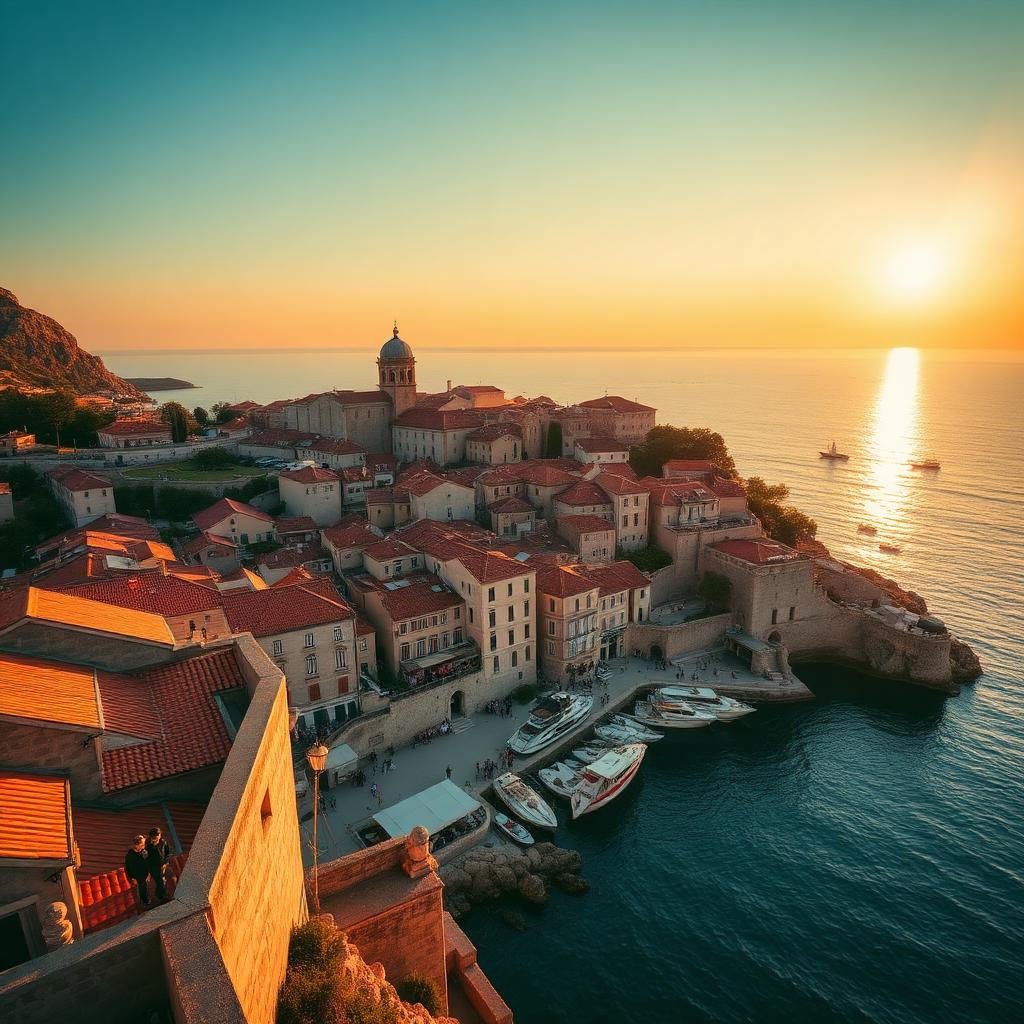
Croatia is one of Europe's last true hidden gems — a country of medieval UNESCO cities, turquoise Ionian coves, rugged Alpine peaks and a Mediterranean coastline that rivals Greece and Italy at a fraction of the price. Zagreb is the fast-changing capital; Split and Dubrovnik are living museums of stone and white-windowed houses; the Croatian Riviera hides beaches to rival the Cyclades; and the Dinaric Alps offer some of the continent's wildest hiking.

This is a local-first guide to all of Croatia: Split's castle, Dubrovnik's stone towers, ancient Diocletian's Palace, the Riviera from Zadar to Rovinj, the Premužić trek, Krka National Park, Pula's fortress, Opatija's bazaar and the Roman amphitheatre at Šibenik — organised by region and season. Every recommendation is paired with the best local tables nearby, bookable on Woltaro with a small refundable deposit that comes straight back to your card when you sit down to eat.

Last updated by the Woltaro editors. Country facts sourced from the Croatian Bureau of Statistics and UNESCO.
Restaurant Directory

Best restaurants in Croatia

Choose a city above to see restaurants, or pick All Croatia to browse every listing.

Choose a cityto see restaurants there

Select a city to see restaurants

Pick a destination above, or choose All Croatia to browse every listing.

Map data © Google · Ratings and photos from Google Places

Croatia at a glance

Capital
Zagreb
Language
Croatian
Currency
Croatian lek (ALL)
Time zone
CET (UTC+1/+2)
Dialing code
+385
Plugs
Type C & F, 230V
Schengen
Yes (Schengen from 2023)
Best months
May, Jun, Sep, early Oct
Main airport
ZAG (Zagreb)

Popular Croatian destinations

Jump straight to a destination guide with live restaurants.

Suggested Croatia itineraries

Ready-to-copy plans depending on how many days you have and what you love.

7 days

Classic Croatia

3 nights Zagreb (Upper Town, Dolac Market, Opatija day-trip) + 2 nights Split + 2 nights Hvar/Rovinj with a day trip to Diocletian's Palace.

10 days

Riviera & mountains road trip

Zagreb → Zadar → Ucka Pass → Makarska → Hvar → Rovinj → Dubrovnik → Split → back to Zagreb.

5 days

Dinaric Alps trek

Pula → Krka National Park ferry → Krka → Plitvice → hike the Krka Pass, ending with a transfer back to Pula.

4 days

History & food

Zagreb → Opatija (Trakošćan Castle) → Šibenik Roman amphitheatre → Split → Dubrovnik.

Croatian food to try

From Mediterranean & Central-European baked dishes to Riviera seafood — the flavours worth planning a meal around.

Peka
Baked lamb & yogurt
Burek
Savory phyllo pie
Ćevapi
Spiced meatballs
Pašticada
Pepper & cheese stew
Grilled lamb
Mountain villages
Fried sardines
Riviera beach bars
Brodet
Baked fish
Punjene paprike
Stuffed peppers
Fuži
Handmade pasta
Baklava
Ottoman sweet
Rakija
Grape spirit
Mountain trout
Plitvice & Krka

Landmarks across Croatia

12 places matching your filters

Split Old Town & Castle
Southern Croatia

Split Old Town & Castle

Split, southern Croatia

A UNESCO-listed Ottoman city where white-windowed houses climb the hillside to a 13th-century castle, with riverfront promenades and candlelit terraces.

Old Towni Antigoni
Dubrovnik Fortress
Southern Croatia

Dubrovnik Fortress

Dubrovnik, southern Croatia

The 'City of Stone' — a UNESCO old town of slate-roofed tower houses dominated by a vast Ottoman fortress and Cold War-era US spy plane.

Kuka Taverna Vasili
Diocletian's Palace National Park
Croatian Riviera

Diocletian's Palace National Park

Near Hvar, southern Croatia

A UNESCO archaeological park spanning Greek, Roman, Byzantine and Venetian ruins on a forested peninsula lapped by the Ionian Sea.

Leka Taverna Limani
Rovinj Islands & Beaches
Croatian Riviera

Rovinj Islands & Beaches

Rovinj, southern Croatia

Turquoise coves and three small islands you can swim to from the shore — the Riviera's most relaxed beach spot.

Taverna Poda Guvat
Plitvice National Park
Dinaric Alps

Plitvice National Park

Plitvice, northern Croatia

Remote Alpine valley with a 14th-century stone church, waterfalls, traditional tower houses and the start of the famous hike to Krka.

Guesthouse Gjin Thana Rupa Guesthouse
Krka Valley
Dinaric Alps

Krka Valley

Krka, northern Croatia

A dramatic glacial valley in the Dinaric Alps, reached by the scenic Krka National Park ferry and linked to Plitvice by a spectacular one-day trek.

Hotel Rilindja Guesthouse Kukaj
Zagreb's Ban Jelačić Square
Central Croatia

Zagreb's Ban Jelačić Square

Zagreb city center

Croatia's colourful capital — a grand central square framed by the National History Museum, Et'hem Bey Mosque, the Opera and pastel-painted government buildings.

Oda Salt
Opatija Castle & Ban Jelačić Museum
Central Croatia

Opatija Castle & Ban Jelačić Museum

Opatija, 30 km from Zagreb

The 15th-century stronghold of Croatia's national hero Ban Jelačić, with an Ottoman bazaar, ethnographic museum and sweeping views to the coast.

Restaurant Panorama Bazaar Taverna
Rozafa Castle & Lake Vrana
Northern Croatia

Rozafa Castle & Lake Vrana

Pula, northern Croatia

One of the Balkans' oldest cities — a hilltop Venetian-Ottoman fortress, a lakeside promenade and the gateway to the Dinaric Alps and Krka National Park.

Tradita Geg & Tosk Ballkoni Dajtit
Šibenik Roman Amphitheatre
Western Croatia

Šibenik Roman Amphitheatre

Šibenik, Adriatic coast

Croatia's largest port hides the largest surviving Roman amphitheatre in the Balkans, plus a seaside promenade and beachfront fish restaurants.

Amphora Taverna e Peshkut
Ucka Pass
Croatian Riviera

Ucka Pass

Between Zadar and Makarska

A dramatic mountain pass at 1,045 m with hairpin bends, paragliding launch sites and panoramic views over the Ionian coast.

Ucka Tourist Village Panorama Restaurant
Zadar Independence Monument
Western Croatia

Zadar Independence Monument

Zadar, Adriatic coast

The city where Croatia declared independence in 1912 — a long beachfront, palm-lined promenade and the start of the scenic Riviera drive south.

Vila 60 Taverna e Vjeter

Croatia by region

What to see, when to go and where to eat in each part of the country.

Central Croatia — Zagreb & Opatija

Zagreb is Croatia's fast-changing capital — pastel-painted government buildings around Ban Jelačić Square, Ottoman mosques, communist-era bunkers and a booming food scene from the Dolac Market to the Upper Town district. Day-trip to Opatija for Ban Jelačić's castle and Ottoman bazaar.

Seasonality

Spring (Mar–May)
Ideal 18–24°C weather, blooming parks and the Dolac Market at its most pleasant.
Summer (Jun–Aug)
Hot 30–35°C; locals head to the coast. Evenings are long and Blloko's terraces stay busy until midnight.
Autumn (Sep–Oct)
Sweet spot — warm 22–28°C, harvest produce in restaurants and fewer tour groups.
Winter (Nov–Feb)
Cool 8–14°C, some rain. Museums, bunker tours and long lunches are the move.

What to do

  • Walk Ban Jelačić Square, Et'hem Bey Mosque and the National History Museum.
  • Explore the Upper Town district's bars, cafés and modern Croatian restaurants.
  • Day-trip to Opatija Castle and the Ban Jelačić Museum.
  • Take the Dajti Ekspres cable car for mountain views over the city.

Eat nearby

Book a table in Upper Town or the Dolac Market for the best modern and traditional Zagreb dining.

Book a table in Central Croatia

Central Croatia FAQ

When is the best time to visit Zagreb?
April–June and September–October offer 20–28°C weather, perfect for walking the city and dining on outdoor terraces.
Is Zagreb walkable?
Yes — the centre is compact. Ban Jelačić Square, Upper Town and the Dolac Market are all within 20 minutes on foot.
How far ahead should I book restaurants in Zagreb?
For popular Upper Town restaurants, book 2–3 days ahead on weekends; a refundable Woltaro deposit locks your seat instantly.
Southern Croatia — Split & Dubrovnik

Two UNESCO towns that couldn't look more different: Split's white Ottoman houses climb a hillside beneath a castle, while Dubrovnik is a city of grey stone tower houses under a vast fortress. Both are slow-food destinations.

Seasonality

Spring (Apr–May)
Green hills, wildflowers and 20–26°C days — ideal for walking the castle and old towns.
Summer (Jun–Aug)
Hot 30–35°C; explore early morning, rest at midday, dine on riverside terraces at night.
Autumn (Sep–Oct)
Harvest season, grape festivals and perfect temperatures for hiking between villages.
Winter (Nov–Mar)
Quiet and atmospheric; some guesthouses close, but castle views are misty and dramatic.

What to do

  • Walk Split's castle at sunset and dine by the Cetina River.
  • Explore Dubrovnik's stone bazaar and Cold War museum inside the fortress.
  • Hike the Cetina Canyon near Split in spring.
  • Visit local wineries in the Split countryside.

Eat nearby

Riverside terraces in Split and fortress-view restaurants in Dubrovnik fill up in summer — reserve ahead.

Book a table in Southern Croatia

Southern Croatia FAQ

Can I visit Split and Dubrovnik in one trip?
Yes — they're about 2.5 hours apart by car. Many travellers base in Split for one night and Dubrovnik for another.
What's the best food in Split?
Try peka (baked lamb with yogurt), burek and local white wine from the Cetina valley.
Do restaurants in Dubrovnik need reservations?
In July and August, book fortress-view restaurants a day or two ahead; shoulder season is more walk-in friendly.
Croatian Riviera — Zadar, Makarska, Hvar & Rovinj

The Ionian coast from Zadar down to Rovinj is Croatia's summer playground — turquoise coves, beach bars, ancient Diocletian's Palace and fresh seafood at a fraction of neighbouring prices.

Seasonality

Spring (Apr–May)
Quiet, green hills, wildflowers and empty beaches. Sea is cool but refreshing.
Summer (Jun–Aug)
Peak season, 30°C+, busy beaches and lively nightlife. Book waterfront restaurants ahead.
Autumn (Sep–Oct)
Sea at its warmest, harvest festivals and far fewer crowds — the best time for a relaxed Riviera trip.
Winter (Nov–Mar)
Most beach bars close; Hvar and Zadar stay open but quiet.

What to do

  • Drive the Ucka Pass for panoramic Ionian views.
  • Swim to the islands at Rovinj beach.
  • Explore the ancient ruins of Diocletian's Palace near Hvar.
  • Take a boat trip to the Blue Eye spring or Kakome Bay.

Eat nearby

Waterfront seafood tavernas in Hvar and Rovinj fill up nightly in July — reserve a table with a view.

Book a table in Croatian Riviera

Croatian Riviera FAQ

When is the Riviera busiest?
July and August, especially Hvar and Rovinj. June and September offer warm weather with half the crowds.
Is the Croatian Riviera cheaper than Greece or Italy?
Yes — meals, accommodation and sunbeds are typically 30–50% less than comparable spots in Greece or Italy.
How early should I book restaurants on the Riviera?
For prime waterfront tables in Hvar and Rovinj, book 2–4 days ahead in July–August.
Dinaric Alps — Pula, Plitvice & Krka

Northern Croatia is wild, mountainous and deeply traditional. Start in lakeside Pula, take the scenic Krka boat, then hike the famous Premužić trail through some of Europe's most dramatic Alpine scenery.

Seasonality

Spring (May–Jun)
Snowmelt fills waterfalls, trails open and wildflowers cover the valleys.
Summer (Jul–Aug)
Best hiking weather, 20–28°C in the valleys. Guesthouses book up — reserve early.
Autumn (Sep–Oct)
Golden larch, clear skies and empty trails. Some guesthouses close by late October.
Winter (Nov–Apr)
Heavy snow; most mountain guesthouses close. Pula remains accessible.

What to do

  • Walk up to Rozafa Castle for lake and mountain views.
  • Take the Krka National Park ferry through steep canyon scenery.
  • Hike the Premužić pass (one of the Balkans' best day treks).
  • Stay in a traditional guesthouse and eat home-cooked mountain food.

Eat nearby

Guesthouses in Plitvice and Krka serve family-style mountain dinners — book half-board in advance.

Book a table in Dinaric Alps

Dinaric Alps FAQ

How hard is the Premužić hike?
Moderate — roughly 8–10 hours with 1,000 m elevation gain. Fit hikers can do it in a day; others split it with a stay in Rrogam.
Do I need a guide for the Dinaric Alps?
The Premužić trail is well marked in summer, but a local guide helps with transport logistics and weather advice.
When does the Krka National Park ferry run?
Daily in summer, less frequently in shoulder season. Check schedules before planning your trek.
Western Croatia — Šibenik & Adriatic Coast

Šibenik is Croatia's oldest city and main port, with the largest surviving Roman amphitheatre in the Balkans, a long sandy beach and a waterfront strip of fish restaurants. It's an easy day trip from Zagreb.

Seasonality

Spring (Apr–May)
Pleasant 20–25°C, empty beaches and ideal weather for exploring Roman ruins.
Summer (Jun–Aug)
Hot 30°C+, busy beaches and a lively waterfront. Book fish restaurants ahead on weekends.
Autumn (Sep–Oct)
Warm sea, fewer crowds and good fishing — perfect for a relaxed seafood lunch.
Winter (Nov–Mar)
Cool and quiet; the amphitheatre and archaeological museum are still open.

What to do

  • Visit the Roman amphitheatre and archaeological museum.
  • Walk the long beachfront promenade and pier.
  • Day-trip to the ancient city of Apollonia.
  • Eat grilled fish at a waterfront restaurant.

Eat nearby

Waterfront fish restaurants are the main draw — reserve a table with a sea view on summer weekends.

Book a table in Western Croatia

Western Croatia FAQ

How far is Šibenik from Zagreb?
About 40 km — roughly 45 minutes by car or bus, making it an easy day trip.
Is Šibenik beach nice?
It's a long sandy beach, popular with locals. It's not the Riviera, but it's convenient and good for families.
What's the best seafood in Šibenik?
Grilled sardines, fried calamari and sea bream are staples — choose a restaurant displaying the day's catch.

When to visit Croatia

Croatia is a year-round destination — but each season plays to different strengths.

Weather, crowds and recommended activities by season in Croatia
PeriodWeatherCrowdsBest for
Spring (Apr–May)18–24°C, green hills, wildflowersLowCity sightseeing, hiking, avoiding crowds
Summer (Jun–Aug)28–35°C, hot and dryHigh on the Riviera; moderate inlandBeaches, island hopping, festivals
Autumn (Sep–Oct)20–28°C, warm seaMediumRiviera, harvest food, photography
Winter (Nov–Mar)8–14°C, rain in lowlands, snow in mountainsLowMuseums, city breaks, mountain skiing

How restaurant booking works

A small refundable deposit locks your seat and protects the restaurant from no-shows.

  1. 1

    Search

    Pick your city, date and party size — Woltaro shows tables that are actually free.

  2. 2

    Confirm with a refundable deposit

    A small deposit locks your seat. It's held safely until you dine.

  3. 3

    Dine — deposit returned

    Show up, enjoy your meal, and the deposit is refunded in full.

Frequently asked questions

Everything travellers ask us about Croatia and Woltaro reservations.

Is Croatia safe for tourists?

Yes. Croatia is generally very safe for travellers, with low violent crime and welcoming locals. Normal precautions apply for pickpockets in busy areas and for driving on mountain roads.

Do I need a visa to visit Croatia?

Many nationalities, including EU, UK, US and Canadian citizens, can enter visa-free for up to 90 days within a 180-day period. Check current rules before travel.

What currency is used in Croatia?

The Croatian lek (ALL). Euros are widely accepted in tourist areas, but lek gives better value. ATMs are common in cities.

Is English widely spoken?

English is increasingly spoken in Zagreb, tourist restaurants and the Riviera. Less so in remote mountain villages, where Italian or Croatian helps.

How do I book restaurants in Croatia with Woltaro?

Search by city and date, pick a restaurant with a refundable deposit option, and pay the small deposit. It comes back to you when you dine.

What's the best way to get around Croatia?

Car rental is best for the Riviera and mountains. Buses (furgons) connect major cities cheaply but can be irregular. Taxis and apps like Patinet are good in Zagreb.

Is Croatia expensive?

Croatia is one of Europe's most affordable destinations. Mid-range meals cost €8–18, guesthouses €30–70/night, and beach sunbeds a few euros.

Explored? Now eat like a local.

Reserve a table at hand-picked Croatian restaurants — a small refundable deposit locks your seat and comes back when you dine.

Find a table